 Cart ( 0 Items )

First Aid Scotland incorporating
aed-defib-sho p
p


aed-defib-shop

A defibrillator, often called a “defib,” is a life-saving device designed to restore a normal heartbeat in people experiencing sudden cardiac arrest (SCA). While most people have heard of defibrillators, many are not familiar with how they work, the different types available, or when and why to use them. This guide will help you understand everything you need to know about defibs, how they function, and why they are crucial in emergency situations.
A defib is a device that delivers an electric shock to the heart to restore its normal rhythm. Sudden cardiac arrest occurs when the heart’s electrical system malfunctions, causing it to beat irregularly or stop beating altogether. A defibrillator can provide a shock that can restart or normalize the heart’s rhythm, greatly increasing the chance of survival.
When someone experiences sudden cardiac arrest, a defib is used to assess the heart’s rhythm and determine if a shock is necessary. Here’s a simple breakdown of how a defib works:
There are several types of defibs, each designed for different settings and levels of training. Understanding the differences can help you choose the right defib for your needs.
An AED is the most common type of defib which you may find in public places, workplaces and homes. These devices are easy to use, even by untrained bystanders, and come in two main forms:
Learn more about different types of AEDs and how they work.
Healthcare professionals typically use manual defibs in hospitals and ambulances. Unlike AEDs, these require the operator to interpret the heart’s rhythm and manually select the energy level and deliver the shock. They provide more control over the defibrillation process, making them ideal for advanced medical settings.
ICDs are small devices that a surgeon implants in patients who are at high risk of sudden cardiac arrest. They continuously monitor the heart’s rhythm and deliver shocks automatically if they detect a dangerous arrhythmia. While not designed for emergency use by the general public, ICDs are a critical tool in managing long-term cardiac health.
1. Increasing Survival Rates
Defibs can dramatically increase the chances of surviving a sudden cardiac arrest. According to the British Heart Foundation, using a defib within the first few minutes of an SCA can increase survival rates by up to 70%. Without immediate defibrillation, the chances of survival decrease by 10% with every minute that passes.
2. Easy to Use in Emergencies
Modern defibs, especially AEDs, are user-friendly for ease of access. Clear voice prompts and visual instructions guide users through every step, from attaching the pads to delivering a shock. This ease of use allows bystanders to provide help even if they have no medical training.
3. Available in Public and Private Spaces
Defibs are now widely available in public spaces, workplaces, gyms, airports, and shopping centers. Having a defib on hand means you can act quickly in the event of an emergency, providing immediate care while waiting for professional medical responders.
When choosing a defib, consider where abouts and who will be using it. For workplaces, public spaces, or home use, an AED is usually the best choice due to its simplicity and ease of use. For medical professionals, a manual defib may offer the control needed for more advanced care.
If you’re looking to purchase a defib for your home or business, check out our defib buying guide to make your decision easy – Defibrillator Buying Guide – Which AED is right for you? (aed-defib-shop.co.uk). We offer a variety of models to suit different needs and settings.
A defib is more than just a piece of equipment—it’s a life-saving tool that can make a critical difference in an emergency. Whether in a public place, workplace, or home, having a defib available ensures you can act quickly and confidently in a cardiac emergency. Understanding how defibs work and the different types available will help you make informed decisions about choosing the right one for your needs.
To learn more about defibs or to explore our product range, visit our Defib Products Page
Świat kasyn online to przestrzeń, gdzie rozrywka nabiera nowego wymiaru, łącząc klasyczne emocje gier hazardowych z wygodą dostępu przez internet. Dla wielu dorosłych odbiorców, takie doświadczenie jest nie tylko formą spędzania wolnego czasu, ale także swoistym rytuałem relaksu, pozwalającym na chwilę oderwania od codzienności. Popularność gier...
Świat kasyn online to przestrzeń, gdzie rozrywka nabiera nowego wymiaru, łącząc klasyczne emocje gier hazardowych z wygodą dostępu przez internet. Dla wielu dorosłych odbiorców, takie doświadczenie jest nie tylko formą spędzania wolnego czasu, ale także swoistym rytuałem relaksu, pozwalającym na chwilę oderwania od codzienności. Popularność gier...
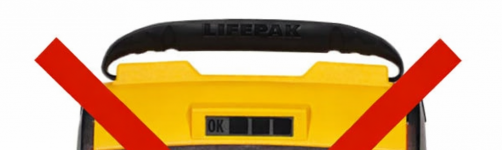
Why This Matters If you or your organisation still rely on a LIFEPAK CR Plus AED, it’s time to pay attention. Physio‑Control discontinued the CR Plus and CR Express AED ranges in 2019. While support lingered for a while, the replacement pads and batteries are now...
When it comes to having a defibrillator on-site, most businesses think they’re covered. But many are unknowingly making mistakes that could delay emergency response, damage their reputation, or worse - cost lives. Here are 7 defibrillator mistakes businesses make in 2025 (and how to avoid them)....

Defibrillators save lives, but most people misunderstand how they work, when to use them, or even if they’re allowed to. Let’s cut through the noise with 10 facts about AEDs (Automated External Defibrillators) that everyone should know in 2025. 1. You don’t need training to use...

Understanding AED Expiry: What Businesses and Owners Need to Know Do AED's expire? If your organisation owns an automated external defibrillator (AED), it’s vital to understand that while the AED unit itself doesn’t technically "expire," many of its critical components do. Knowing when to replace items...

Why Understanding the Difference Matters Heart attack. Cardiac arrest. People often use these terms interchangeably, but they are not the same. One is a circulation problem. The other is an electrical failure. Both are medical emergencies, but only one requires a defibrillator. In this article, we'll...

Is your business ready for the latest HSE first aid update? In late 2025, the Health and Safety Executive (HSE) updated its guidance on workplace first aid responsibilities - and while not sweeping legislation, the shift reflects growing expectations around AED use, risk assessment, and training...

AED Regulations in the UK: What Businesses Need to Know in 2025 If your business owns or is planning to install a defibrillator, understanding current UK regulations isn’t just smart – it could be lifesaving. As more organisations adopt AEDs (Automated External Defibrillators), questions around liability,...

Summer First Aid Essentials: Why Defibrillators Matter at Events & Festivals As summer brings back festivals, sports days, outdoor markets, and live events across the UK, organisers are rightly focused on safety and preparation. From sunburns to sprains, first aid incidents spike as footfall rises. But...

Best Defibrillators to Buy in 2025 - Our Expert Picks When it comes to saving lives, a reliable and easy-to-use defibrillator makes all the difference. Whether you're a school, business, public venue, or simply a safety-conscious household, choosing the right AED (Automated External Defibrillator) can be...

Your Guide to Defibrillator Pads Defibrillator pads are a vital part of any Automated External Defibrillator (AED) setup, yet they’re often overlooked until an emergency strikes. Whether you manage a workplace, a school, or a community space, understanding how defibrillator pads work, when to replace them...

Do I Need a Defibrillator at My Workplace? A Practical Guide for UK Businesses In the UK, sudden cardiac arrest (SCA) can strike anyone, anywhere - and without warning. Each year, over 30,000 people experience SCA outside of hospital settings, and without rapid intervention, fewer than...

What Is a Defibrillator? A defibrillator is a life-saving device designed to treat sudden cardiac arrest (SCA) by delivering an electric shock to the heart. The shock helps restore a normal rhythm, giving the victim the best possible chance of survival. Whether in workplaces, public spaces,...

Defibrillators Save Lives - Real Stories That Prove the Importance of AEDs Defibrillators save lives - and recent stories from across the globe are proof of just how essential they are in cardiac emergencies. Whether at work, school, or in the community, AEDs (Automated External Defibrillators)...

Life-Saving Loss of Pulse Detection In Google’s Pixel Watch 3 – What It Means for Emergency Response In a ground breaking update, Google’s Pixel Watch 3 now features Loss of Pulse Detection, a technology designed to identify cardiac arrest and automatically alert emergency services. This advancement...

ViVest Secures MDR Status in Europe – What This Means for the Future of Defibrillators The defibrillator industry is evolving, and ViVest has just taken a huge step forward. ViVest has officially secured Medical Device Regulation (MDR) status in Europe, reinforcing its position as a...

Ensuring Reliable Defibrillator Solutions Amid Recent Recalls Defibrillators play a crucial role in saving lives during sudden cardiac arrest (SCA), but recent recalls have raised concerns about the reliability of some devices. Whether you're a business, school, gym, or public venue, having an effective and reliable...

Important Update: HeartSine Samaritan Defibrillators Face Regulatory Issues – Here’s What You Need to Know HeartSine Samaritan defibrillators have long been trusted by organizations and individuals to provide life-saving assistance during sudden cardiac arrest. However, recent regulatory and manufacturing challenges have raised concerns, affecting the availability...

In a world where public safety has become a pressing concern, governments and organizations are taking steps to ensure that every individual feels secure in public spaces. One such measure is Martyn’s Law, a proposed legislation aimed at improving security standards across public venues in the...

When we think about workplace safety, we often consider fire extinguishers, first aid kits, or evacuation plans. But what about defibrillators? Sudden cardiac arrest (SCA) can strike anyone, anytime, and without warning. Having an Automated External Defibrillator (AED) on-site can mean the difference between life and...

Defibrillators for Everyone: Why You Don’t Need Training to Save a Life Imagine someone near you collapses from sudden cardiac arrest (SCA). You see an Automated External Defibrillator (AED) nearby, but hesitate. Should you use it without training? Could it make things worse? In reality, AEDs...
Would you consider a home defibrillator? When thinking about home medical supplies, items like first aid kits and thermometers probably come to mind. But what if a sudden cardiac arrest (SCA) happens in your home? Would a defibrillator be available? Increasingly, families are considering home defibrillators...
ViVest Defibrillators: Affordable, Easy, and Ready to Save Lives When it comes to defibrillators, it's easy to assume that the most expensive brands are the best. But what if you could get a top-performing, reliable device without breaking the bank? ViVest defibrillators are proving that you...
The more you know... A defibrillator, often called a "defib," is a life-saving device designed to restore a normal heartbeat in people experiencing sudden cardiac arrest (SCA). While most people have heard of defibrillators, many are not familiar with how they work, the different types available,...

A 'Peep' into PEEPs A Personal Emergency Evacuation Plan (PEEP) is a tailored plan designed to help individuals who may face difficulties evacuating a building during an emergency. PEEPs ensure that everyone, including people with disabilities or mobility challenges, can exit safely during incidents such as...
Defibrillators are essential in emergencies, but they need regular maintenance to ensure they work when it matters most. Neglecting maintenance can lead to device failure, which could have serious consequences. This article explores why regular defibrillator upkeep is crucial and what you can do to keep...

Why First Aid Courses are Essential in the Workplace First aid training in the workplace isn't just about ticking a box for compliance. It's about creating a safer, more confident work environment where everyone knows they can handle emergencies. Whether it's a minor injury or a...
The Life-Saver Imagine this... You're walking through a busy shopping centre when someone nearby collapses. Panic sets in as people gather, unsure of what to do. Amidst the chaos, a crucial piece of equipment lies waiting to save a life—a defibrillator. The problem is, fear often...
Understanding the Difference Between Semi-Automatic and Fully Automatic Defibrillators When it comes to choosing a defibrillator, understanding the difference between semi-automatic and fully automatic models is crucial. Both types save lives by delivering an electric shock to the heart in cases of sudden cardiac arrest, but...
Choosing the Best Defibrillator for You When choosing the best defibrillator for your needs, it’s crucial to consider various factors such as reliability, ease of use, and advanced features. We know its hard to tell which Defibrillator fits you best, that's why we do the work...

30 Facts About The Heart When it comes to keeping you alive and kicking, your heart is the true MVP. This muscular marvel works tirelessly, day in and day out, to keep blood flowing and your body running smoothly. Whether you're resting, running, or doing your...

CPR and AED's in Cardiac Arrest Cardiopulmonary resuscitation (CPR) and automated external defibrillators (AEDs) are critical tools in the fight against sudden cardiac arrest (SCA). SCA is a leading cause of death worldwide, affecting people of all ages, often without warning. Therefore, CPR and AED awareness...
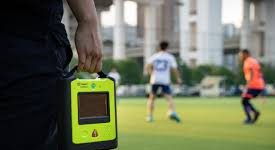
ViVest Defibrillators: The New Ones to Watch on the Market In the fast-paced world of medical technology, staying ahead with the latest advancements can make a significant difference in saving lives. At AED-Defib-Shop, we are excited to introduce a strong contender to the market: ViVest Defibrillators....
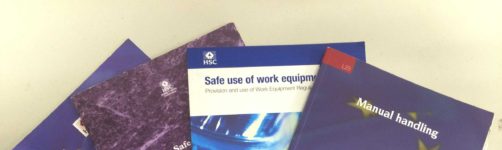
What is a Needs assessment? The aim of first aid is to reduce the effects of injury or illness at work. Employers are duty-bound to make an assessment of first-aid needs, appropriate to the circumstances of each workplace. This may include: Nature of the work being...

FACT: As an employer, you must provide adequate and appropriate first-aid equipment, facilities and personnel to ensure your employees receive immediate attention if they are injured or taken ill at work. The Health & Safety (First Aid) Regulations 1981 does require you to provide adequate first...
For someone in an organization who's in charge of health & safety, it's important to have a plan for fire evacuation. We asked an evacuation expert what his thoughts are when considering evacuation from multi-story buildings. He advised that; 1. Firstly you need to consider that...




 VIEW SOME OF OUR FAQS


